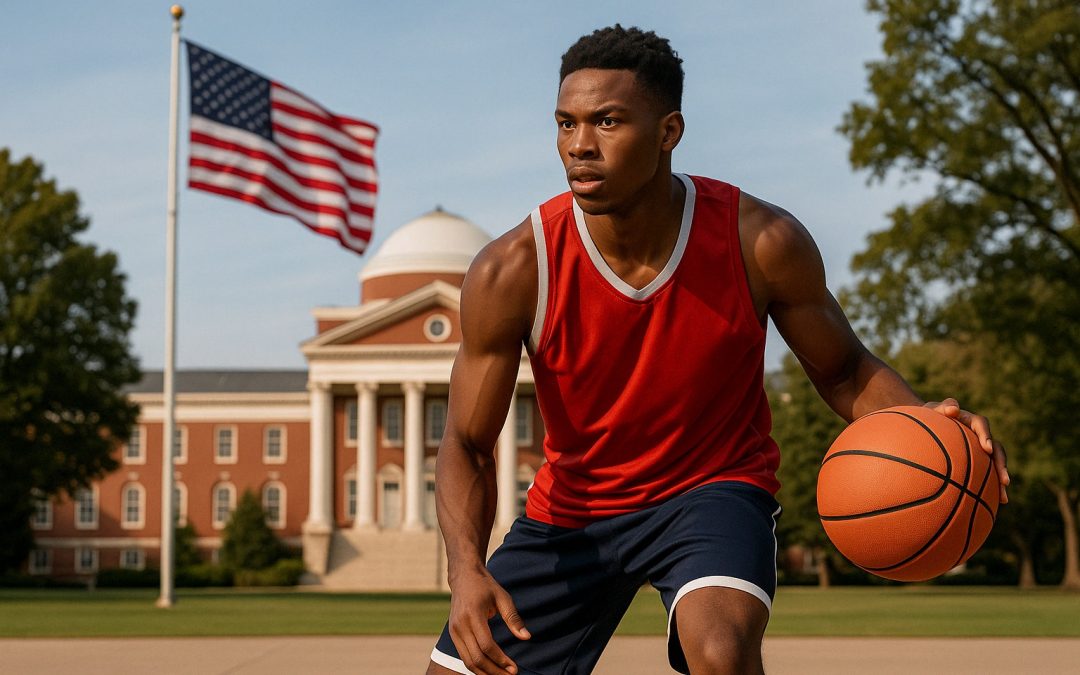
The United States is home to one of the most competitive and structured collegiate sports systems in the world. For many international students with athletic talent, the opportunity to study in the U.S. and play for a college team is a dream come true. But is it really possible? The short answer is yes—international students can play for U.S. college teams, and thousands do each year. However, there are some important rules, processes, and steps to understand.
The Role of the NCAA and Other Governing Bodies
Most college athletics in the U.S. fall under the jurisdiction of one of three main organizations:
NCAA (National Collegiate Athletic Association) – The largest and most well-known, with Division I, II, and III schools.
NAIA (National Association of Intercollegiate Athletics) – Smaller colleges with competitive programs and scholarships.
NJCAA (National Junior College Athletic Association) – Governs sports at two-year community colleges.
Each organization has its own eligibility criteria, scholarship opportunities, and recruitment procedures, but all allow international athletes to participate, provided they meet the requirements.
Eligibility Requirements for International Athletes
To play college sports in the U.S., international students must meet certain academic and amateurism standards, which vary slightly between organizations.
1. Academic Eligibility
International students must provide translated transcripts that show they meet the academic standards for college admission. In most cases, this includes:
Proof of high school completion (or equivalent)
Standardized test scores (SAT/ACT may be required)
Proof of English proficiency (TOEFL, IELTS, or Duolingo English Test)
2. Amateurism
To be eligible, athletes must not have been paid to play their sport or competed professionally. They must also submit a profile to the NCAA Eligibility Center or NAIA Eligibility Center for review.
3. Visa Requirements
To attend college in the U.S., international students need an F-1 student visa. Once admitted and committed to a college, the school will issue an I-20 form, which is used to apply for the visa. Student-athletes must maintain full-time enrollment to keep their visa status.
How Do International Students Get Recruited?
Getting recruited to a U.S. college team as an international student takes initiative, preparation, and often support from agencies or coaches.
Here are common ways to get noticed:
Create a sports resume and highlight video: Coaches often rely on video footage to evaluate international talent.
Reach out to college coaches: Emailing coaches directly with your stats, achievements, and interest in their program is common.
Attend international showcases: Events and combines in your home country may draw U.S. scouts.
Work with recruitment agencies: Many international athletes partner with organizations like SIS Scholarships to connect with U.S. colleges and navigate the process.
Scholarships for International Athletes
One of the biggest benefits of playing college sports in the U.S. is the potential for athletic scholarships. These scholarships can cover tuition, room and board, and other expenses, depending on the division and school.
NCAA Division I and II and NAIA schools offer athletic scholarships.
Division III schools do not offer athletic scholarships but may offer academic or need-based aid.
Junior colleges (NJCAA) also provide opportunities and are a great stepping stone to four-year universities.
If you’re serious about playing college sports in the United States, start early, do your research, and don’t hesitate to ask for help. At SIS Scholarships, we specialize in helping international student-athletes connect with the right schools, secure scholarships, and navigate the entire admissions and recruitment process.
Visit our website to learn more and take the first step toward becoming a student-athlete in the USA.
As a parent, you want the best for your child especially when it comes to their education. In the United States, the cost of higher education can be overwhelming, with tuition, room and board, books, and other fees quickly adding up. However, scholarships offer a powerful way to reduce the financial burden and open doors for your child to attend the college of their dreams. Understanding how scholarships work, what types are available, and how to support your child in the application process can make a significant difference in their academic journey.
What Are Scholarships?
Scholarships are financial awards given to students to help pay for college. Unlike loans, scholarships do not need to be repaid, making them a highly attractive option for families. They are awarded based on various criteria, such as academic performance, athletic ability, artistic talent, financial need, leadership, or community service.
Many scholarships are offered by colleges and universities, while others come from private organizations, businesses, nonprofit groups, and even local community foundations.
Types of Scholarships
Understanding the different types of scholarships can help you and your child find the most suitable opportunities:
1. Merit-Based Scholarships
These are awarded to students based on academic achievements, test scores (like the SAT or ACT), or exceptional talent in areas such as music, art, or athletics. Colleges often use these to attract high-performing students.
2. Need-Based Scholarships
These scholarships are granted based on a family’s financial situation. To qualify, students typically need to submit the FAFSA (Free Application for Federal Student Aid), which assesses their financial need.
3. Athletic Scholarships
Awarded to student-athletes, these scholarships are often offered by NCAA Division I and II schools. Keep in mind that these are highly competitive and usually come with performance expectations.
4. Identity-Based Scholarships
Some scholarships are created for students of specific backgrounds, such as ethnicity, gender, religion, or first-generation college students. These are often aimed at promoting diversity and inclusion.
5. Field-Specific Scholarships
Students who plan to major in certain fields (such as STEM, education, or healthcare) may qualify for scholarships that support those career paths.
6. Local Scholarships
Many communities, high schools, or local businesses offer small but valuable scholarships. These are less competitive and can add up when combined.
Why Parents Should Get Involved
While it’s ultimately up to the student to apply for scholarships, parental support is crucial. Parents can help keep their child organized, motivated, and on track to meet deadlines. Here’s how you can assist:
Start early: Encourage your child to begin searching for scholarships as early as their junior year of high school.
Stay organized: Use spreadsheets or tools to track deadlines, requirements, and progress.
Proofread applications: Help review essays and application materials for grammar, tone, and clarity.
Guide, don’t take over: Encourage independence but offer help when needed. Scholarship committees value the student’s authentic voice.
Common Scholarship Myths
There are several myths about scholarships that can lead to missed opportunities. Let’s bust a few:
“Only top students get scholarships.” While merit scholarships do favor strong academics, there are plenty of scholarships for leadership, service, and specific interests.
“Small scholarships aren’t worth the effort.” Even a $500 award can help cover books or fees—and smaller awards are less competitive.
“Scholarships are only for low-income families.” Many scholarships are based on merit or other criteria, not just financial need.
“You only apply once.” Many scholarships are renewable annually, and new opportunities often arise during college, not just before.
Applying for scholarships requires careful planning, attention to detail, and a proactive approach. By avoiding common mistakes, staying organized, and tailoring each application, students can significantly improve their chances of securing financial aid to study in the USA. Remember—every scholarship earned brings you one step closer to your dream.
At SIS Scholarships, we specialize in helping students secure both academic and athletic scholarships to study in the United States. Whether you’re aiming for top universities or pursuing opportunities through sports, our team provides expert guidance every step of the way.Visit our website to explore scholarship opportunities and start your journey with confidence.
For student-athletes worldwide, securing a sports scholarship to study in the United States is a life-changing opportunity. These scholarships provide financial assistance while allowing athletes to train at great facilities, compete at a high level, and receive a quality education. With the U.S. being a global leader in collegiate sports, scholarships are highly competitive, but they can open doors to professional careers and long-term academic success.
In this article, we will focus on two of the most sought-after sports for scholarships: football (soccer) and basketball. These sports attract international talent and provide many opportunities for student-athletes to pursue their dreams.
Football (Soccer) Scholarships
The Growing Popularity of Soccer in the U.S.
Soccer, known as “football” in most parts of the world, has grown tremendously in the U.S. over the past few decades. With the expansion of Major League Soccer (MLS) and increased global interest, American universities have invested heavily in their soccer programs.
Unlike American football, which is primarily played by domestic athletes, college soccer teams actively recruit international talent. Universities seek skilled players from Europe, Latin America, and Africa, where soccer is a dominant sport. This makes soccer one of the best sports for international students looking to earn a scholarship in the U.S.
How Do Soccer Scholarships Work?
Soccer scholarships are available at different levels, including:
NCAA Division I and II – These programs offer full-ride and partial scholarships, covering tuition, housing, meals, and other expenses.
NAIA and NJCAA – These institutions provide scholarships for talented players and offer a stepping stone to NCAA programs.
While the competition is high, international players with strong technical ability, tactical awareness, and competitive experience stand a good chance of earning scholarships.
What Coaches Look For in Soccer Scholarship Applicants
Strong technical skills – Passing, dribbling, shooting, and first touch are important.
Tactical intelligence – Understanding game strategy and positioning.
Competitive experience – Playing in national youth teams or top club academies increases chances.
Highlight video – A well-edited video showcasing match performance is essential.
Academic performance – Meeting eligibility requirements for GPA and standardized tests (SAT, ACT, TOEFL for non-native speakers).
If you’re an international soccer player looking for an opportunity in the U.S., it’s essential to build a strong athletic and academic profile.
Basketball Scholarships
Why is Basketball One of the Most Competitive Scholarship Sports?
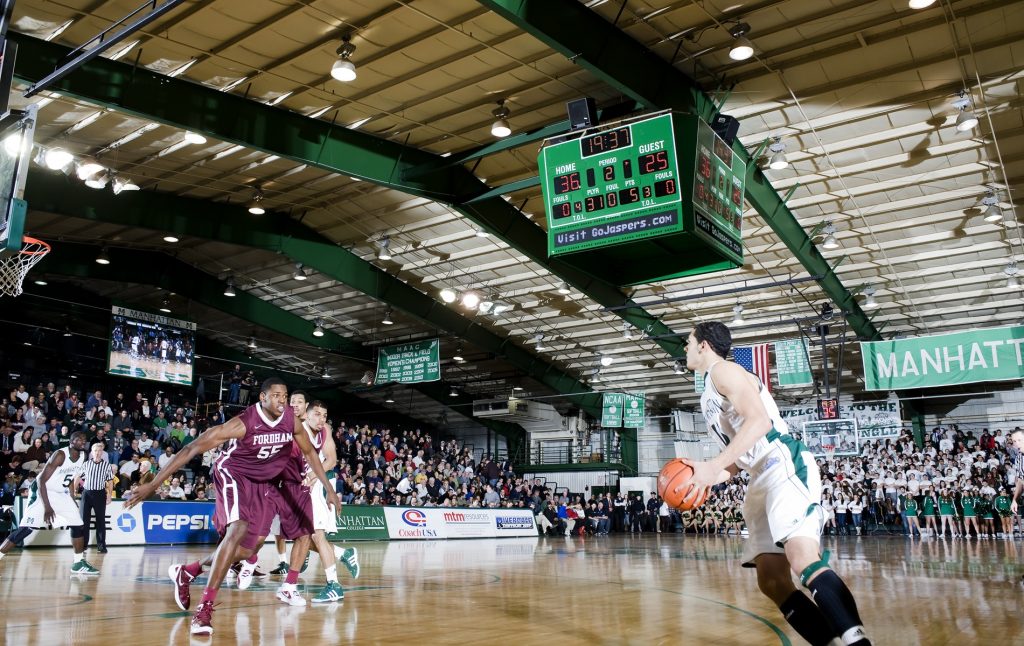
Basketball is deeply ingrained in American culture, with college basketball tournaments like March Madness drawing millions of viewers each year. The U.S. is home to the best basketball development system in the world, producing NBA legends such as Michael Jordan, LeBron James, and Stephen Curry.
Given the sport’s massive popularity, basketball scholarships are among the most competitive. Thousands of high school and international players compete for limited spots on college teams, making it essential for athletes to stand out.
Scholarship Opportunities for Basketball Players
NCAA Division I – Full-ride scholarships covering all major expenses.
NCAA Division II – Partial scholarships combined with other financial aid.
NAIA and NJCAA – Great options for players looking to develop before transferring to NCAA programs.
Unlike soccer, where international players are in high demand, basketball scholarships are more limited for non-U.S. athletes. However, exceptionally talented international players can still secure opportunities if they meet the physical and skill requirements.
What Coaches Look For in Basketball Scholarship Applicants
Height and athleticism – Coaches prioritize players with strong physical attributes.
Technical skills – Shooting, ball handling, defense, and passing.
Basketball IQ – Decision-making, teamwork, and court vision.
Game footage – Highlight videos demonstrating game performance under pressure.
Leadership and discipline – Coaches seek athletes with a strong work ethic and commitment to training.
If you are an aspiring basketball player, developing your skills and gaining exposure through tournaments or recruiting showcases is key to earning a scholarship.
Other Popular Sports for Scholarships in the U.S.
While soccer and basketball are two of the most popular sports, student-athletes should also consider other disciplines that offer strong scholarship opportunities, including:
American Football – The most well-funded college sport in the U.S., offering thousands of full scholarships annually.
Tennis – Many U.S. universities recruit top international players for their tennis teams.
Swimming & Diving – Another sport where international athletes can find strong scholarship opportunities.
Baseball & Softball – Popular sports with substantial scholarship funding.
How SIS Scholarships Can Help You
Finding the right scholarship can be overwhelming, especially for international students unfamiliar with the American recruitment system. At SIS Scholarships, we specialize in connecting student-athletes with U.S. universities that offer sports scholarships.
Our network includes top NCAA, NAIA, and NJCAA programs, helping students find the best opportunities based on their athletic and academic profiles.
Many of our student-athletes have successfully secured scholarships and are now competing at the collegiate level in the U.S. You can read their stories here.
If you are an aspiring student-athlete looking for opportunities in the U.S., contact us today to learn more about how we can help you achieve your dreams.
Common Mistakes to Avoid When Applying for Scholarships to Study in the USA
Applying for scholarships to study in the USA is a big step toward achieving your academic and career goals. However, many students make avoidable mistakes that can cost them opportunities. To increase your chances of securing financial aid, it’s important to understand and steer clear of common pitfalls. Below, we outline the most frequent mistakes and how you can avoid them.
1. Submitting Generic Applications
A common mistake is sending the same personal statement or essay to multiple scholarships without tailoring it to each opportunity. Generic applications fail to highlight why you are the best candidate for a specific scholarship.
How to avoid it:
Customize each application to match the scholarship’s goals and criteria.
Research the scholarship provider and incorporate relevant details into your essay.
Showcase how your achievements and aspirations align with the scholarship’s mission.
2. Poorly Written Essays
Scholarship essays are a key component of your application. Many students submit essays with grammar mistakes, weak arguments, or lack of personal insight, which reduce their chances of success.
How to avoid it:
Plan your essay in advance and create a clear structure.
Proofread multiple times and ask a teacher, mentor, or friend to review it for feedback.
Make your essay personal, engaging, and reflective of your passion and goals.
3. Ignoring Instructions
Some students fail to follow application instructions, such as word limits, formatting guidelines, or required documents. Ignoring instructions can lead to immediate disqualification.
How to avoid it:
Read the instructions carefully and create a checklist of required elements.
Follow all guidelines regarding essay length, font, and submission format.
Double-check your application before submission to ensure compliance.
4. Not Showcasing Leadership and Extracurricular Activities
Scholarship committees often look for well-rounded candidates who demonstrate leadership, community involvement, and extracurricular achievements. Focusing solely on academic performance without showcasing other strengths can weaken your application.
How to avoid it:
Highlight leadership roles, volunteer work, sports, and other activities that make you stand out.
Use specific examples to demonstrate how you have made an impact in your community.
Connect your extracurricular involvement to your academic and career aspirations.
5. Providing Incomplete or Incorrect Information
Missing documents, incorrect contact details, or incomplete applications can disqualify you from consideration. Some students fail to double-check their applications, leading to costly errors.
How to avoid it:
Review your application thoroughly before submitting.
Ensure all required documents, such as transcripts, recommendation letters, and proof of financial need, are included.
Provide accurate and up-to-date contact information.
6. Weak Letters of Recommendation
A strong letter of recommendation can boost your application, but many students either submit generic letters or fail to give their recommenders enough time to write quality letters.
How to avoid it:
Choose recommenders who know you well and can speak about your strengths.
Provide them with details about the scholarship and your achievements to help them write a strong letter.
Request letters well in advance to give them enough time to craft a thoughtful recommendation.
7. Not Searching for Enough Scholarships
Some students limit themselves by applying to only a few scholarships. Since competition is high, applying to multiple opportunities increases your chances of success.
How to avoid it:
Research widely and apply for as many relevant scholarships as possible.
Use scholarship search engines, university websites, and local organizations to find opportunities.
Consider both large and small scholarships, as smaller ones may have less competition.
8. Not Preparing for Scholarship Interviews
If a scholarship requires an interview, being unprepared can hurt your chances. Some students fail to practice or research the scholarship provider, leading to weak responses.
How to avoid it:
Practice common scholarship interview questions with a mentor or friend.
Research the scholarship organization and be ready to explain why you deserve the award.
Dress professionally and be confident in presenting your achievements and goals.
Applying for scholarships requires careful planning, attention to detail, and a proactive approach. By avoiding these common mistakes, you can improve your chances of securing financial aid to study in the USA. Remember to stay organized, tailor your applications, and seek help when needed. With dedication and perseverance, you can achieve your dream of studying abroad with the support of scholarships.At SIS Scholarships, we specialize in helping students secure both sport and academic scholarships to study in the USA.
Visit our website to explore scholarship opportunities and get expert guidance on your journey.